
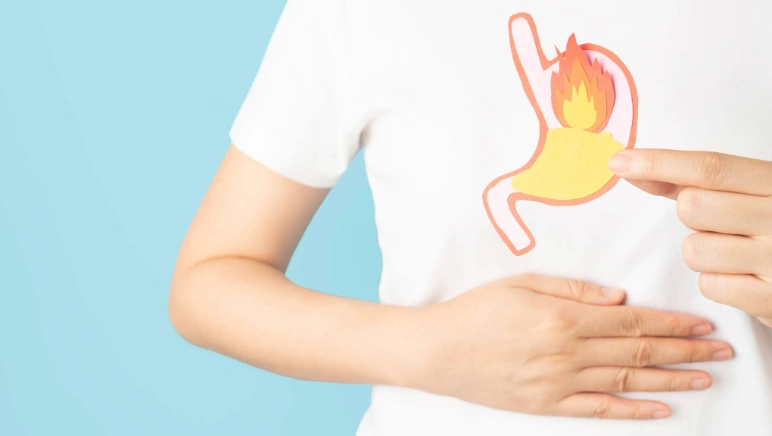
Hiatal Hernia: Causes, Symptoms, and Treatment Options
What Is a Hiatal Hernia?
A hiatal hernia occurs when part of the stomach pushes upward through the diaphragm, the muscle that separates the chest from the abdomen. The diaphragm contains a small opening called the hiatus, which allows the esophagus to pass through and connect to the stomach. When the stomach protrudes through this opening, it is classified as a hiatal hernia.
Many people with a hiatal hernia experience no symptoms and may not know they have one unless it is discovered during imaging or an endoscopy performed for another reason.
What Causes a Hiatal Hernia?
Hiatal hernias can develop due to increased pressure within the abdomen or weakening of the diaphragm over time. Common contributing factors include:
- Aging and natural muscle weakening
- Chronic coughing or straining
- Obesity or excess abdominal pressure
- Heavy lifting
- Pregnancy
- Previous abdominal surgery
In some cases, a hiatal hernia may be present at birth due to a naturally larger hiatus.
Common Hiatal Hernia Symptoms
Most small hiatal hernias do not cause noticeable symptoms. However, larger hiatal hernias may contribute to gastroesophageal reflux disease (GERD) and related discomfort.
Symptoms may include:
- Heartburn or a burning sensation in the chest
- Acid reflux or regurgitation
- Difficulty swallowing
- Chest pain that worsens when bending over or lying down
- Chronic cough or hoarseness
- Nausea or indigestion
In rare cases, severe symptoms such as unexplained weight loss, vomiting blood, or black, tar-like stools require immediate medical attention.
How Is a Hiatal Hernia Treated?
Treatment for a hiatal hernia depends on symptom severity rather than the size of the hernia itself.
Lifestyle Changes
For many patients, symptoms improve with simple adjustments, including:
- Eating smaller, more frequent meals
- Avoiding fatty, spicy, or acidic foods
- Not eating close to bedtime
- Maintaining a healthy weight
- Elevating the head during sleep
Medications
If lifestyle changes are not enough, medications may be recommended:
- Antacids for occasional heartburn relief
- Proton pump inhibitors (PPIs) to reduce stomach acid production
- H2 blockers to control frequent reflux symptoms
These treatments help manage symptoms but do not eliminate the hernia itself.
When Is Surgery Needed?
Surgery is typically reserved for patients who:
- Have severe or persistent GERD not controlled by medication
- Experience complications such as esophageal damage
- Have a large or paraesophageal hernia at risk for strangulation
At Hernia Innovations, minimally invasive surgical techniques are used when surgery is necessary, helping reduce recovery time and improve outcomes.
When to See a Specialist
If you experience ongoing heartburn, difficulty swallowing, or symptoms that interfere with your daily life, it may be time to consult a hernia specialist. Early evaluation helps prevent complications and ensures the most effective treatment plan.
Expert Care at Hernia Innovations
Hernia Innovations specializes in advanced hernia diagnosis and treatment, including minimally invasive surgical options. Our team works closely with each patient to determine the most appropriate care plan based on their symptoms and overall health.
To schedule a consultation, contact Hernia Innovations by calling (925) 940-1025 or requesting an appointment online.
Hernia Surgery & Treatment Resources
Learn about hernia symptoms, diagnosis, surgery, recovery, and when to seek medical care through educational resources from Hernia Innovations.