
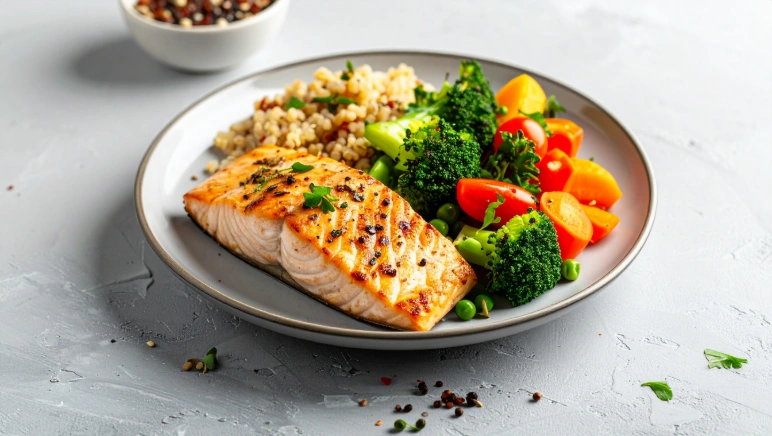
After hernia surgery, your diet plays a direct role in how well you heal.
Most patients are advised to eat foods that are easy to digest, prevent constipation, and reduce pressure on the abdominal wall. You may also be told to avoid certain foods, including chocolate, for a short period.
What to eat after hernia surgery
Focus on foods that support healing and digestion:
- Lean protein: chicken, fish, eggs, tofu
- Fiber-rich foods: fruits, vegetables, oats
- Whole grains: brown rice, quinoa
- Hydrating foods: soups, broth, fruits
- Healthy fats: olive oil, avocado
These foods help:
- support tissue repair
- prevent constipation
- reduce strain on the surgical site
Is weight loss normal after hernia surgery?
Yes. Mild weight loss can be normal, especially in the first few weeks when your diet is more limited.
After surgery, many patients eat smaller portions, avoid heavier foods, and focus on lighter, easy-to-digest meals. This can reduce overall calorie intake and lead to short-term weight loss.
Why diet changes can lead to weight loss
- Smaller, more frequent meals
- Reduced appetite after surgery
- Avoiding high-fat or heavy foods
- Temporary dietary restrictions
How to maintain your weight during recovery
- Eat small meals throughout the day
- Add calorie-dense foods like eggs, yogurt, avocado, and smoothies
- Include healthy fats such as olive oil or nut butters
- Stay hydrated, but avoid filling up on liquids before meals
When to be concerned
Contact your provider if you notice:
- ongoing or rapid weight loss
- difficulty eating or keeping food down
- persistent nausea or low appetite
For a more detailed breakdown, read our guide on weight loss after hernia surgery and what’s considered normal.
Foods to avoid after hernia surgery
Certain foods can slow recovery or cause discomfort:
- carbonated drinks (can cause gas and bloating)
- fried or greasy foods
- highly processed foods
- spicy or acidic foods
- excess caffeine
- alcohol
Can you eat chocolate after hernia surgery?
In most cases, it’s best to limit chocolate early in recovery.
Chocolate is not permanently restricted, but it can cause issues in the short term.
Why chocolate may be avoided
It can increase digestive activity
Chocolate contains caffeine and theobromine, which can stimulate the digestive system.
It may affect bowel movements
Its fat content can lead to loose stools or discomfort in some people.
It may contribute to bloating
Some patients experience gas or reflux after eating chocolate.
It does not support early healing
During recovery, priority should be on nutrient-dense foods that support repair.
When can you eat chocolate again?
Most patients can gradually reintroduce chocolate after the early recovery phase, typically after a few weeks. This depends on your symptoms and your surgeon’s guidance.
How to reduce bloating and constipation after surgery
- walk daily
- drink plenty of water
- eat smaller meals
- increase fiber gradually
- avoid straining
Sample simple recovery meal ideas
- scrambled eggs with toast
- grilled chicken with rice and vegetables
- yogurt with fruit
- soup with lean protein
- oatmeal with berries
When to call your doctor
Contact your provider if you have:
- persistent bloating
- severe constipation
- abdominal pain that worsens
- nausea or vomiting
Need guidance on recovery after hernia surgery?
Our team helps patients navigate diet, activity, and healing after surgery.
.webp)