
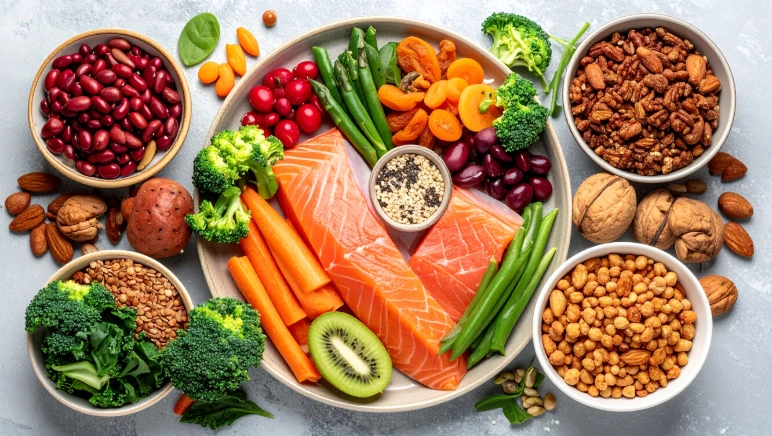
Hiatal Hernia Diet: Foods to Avoid and What to Eat for Relief
A hiatal hernia can make everyday eating uncomfortable, especially if you experience frequent heartburn or acid reflux. While medication can help, diet plays a major role in controlling symptoms.
Certain foods can trigger reflux, while others are easier on your digestive system. Understanding what to limit and what to include can help reduce symptoms and improve day-to-day comfort.
What Is a Hiatal Hernia and Why Diet Matters
A hiatal hernia occurs when part of the stomach pushes up through the diaphragm. This can weaken the valve between the stomach and esophagus, allowing acid to move upward.
When this happens, certain foods can make symptoms worse by:
- Increasing stomach acid
- Relaxing the lower esophageal sphincter
- Slowing digestion
This is why diet changes are often one of the first recommendations.
Foods to Avoid with a Hiatal Hernia
These foods are common triggers for reflux and should be limited or avoided:
Acidic Foods
- Citrus fruits (oranges, lemons, grapefruit)
- Tomatoes and tomato-based sauces
- Pineapple
Spicy Foods
- Hot sauces
- Chili peppers
- Heavily spiced dishes
High-Fat Foods
- Fried foods
- Fatty cuts of meat
- Fast food and processed snacks
Chocolate and Mint
- Chocolate
- Peppermint and spearmint
Caffeine and Alcohol
- Coffee
- Energy drinks
- Alcoholic beverages
Carbonated Drinks
- Soda
- Sparkling water
These can increase pressure in the stomach or relax the valve that keeps acid down.
Foods That May Help Reduce Symptoms
These options are generally easier on the digestive system:
Low-Acid Fruits and Vegetables
- Bananas
- Melons
- Apples (peeled)
- Leafy greens
- Broccoli and green beans
Lean Proteins
- Chicken
- Turkey
- Fish
- Eggs
Whole Grains
- Brown rice
- Oatmeal
- Whole grain bread
Healthy Fats (in moderation)
- Olive oil
- Avocado
- Nuts
Ginger
Ginger may help soothe the digestive tract and reduce irritation.
Eating Habits That Matter Just as Much as Food
Diet is not just about what you eat, but how you eat.
- Eat smaller meals throughout the day
- Avoid lying down after eating
- Finish meals at least 2 to 3 hours before bedtime
- Chew food thoroughly
- Maintain a healthy weight
These changes can reduce pressure on the stomach and limit reflux.
Do Food Triggers Vary by Person?
Yes. Not everyone reacts the same way to food.
Keeping a simple food log can help identify patterns between what you eat and your symptoms. This allows you to adjust your diet more precisely over time.
You can also use a structured food diary like this CDC food log to track meals and symptoms
When Diet Changes Are Not Enough
Diet can help manage symptoms, but it does not correct the hernia itself.
You should consider medical evaluation if you have:
- Frequent or severe reflux
- Difficulty swallowing
- Chest discomfort that persists
- Symptoms that do not improve with diet changes
Managing Symptoms with the Right Approach
Diet changes can make a meaningful difference in managing hiatal hernia symptoms, especially when combined with healthy eating habits and lifestyle adjustments.
If your symptoms are persistent or affecting your daily life, the Hernia Innovations team can evaluate your condition and discuss appropriate treatment options.
Schedule a consultation to review your symptoms and develop a personalized care plan.
Hernia Surgery & Treatment Resources
Learn about hernia symptoms, diagnosis, surgery, recovery, and when to seek medical care through educational resources from Hernia Innovations.