
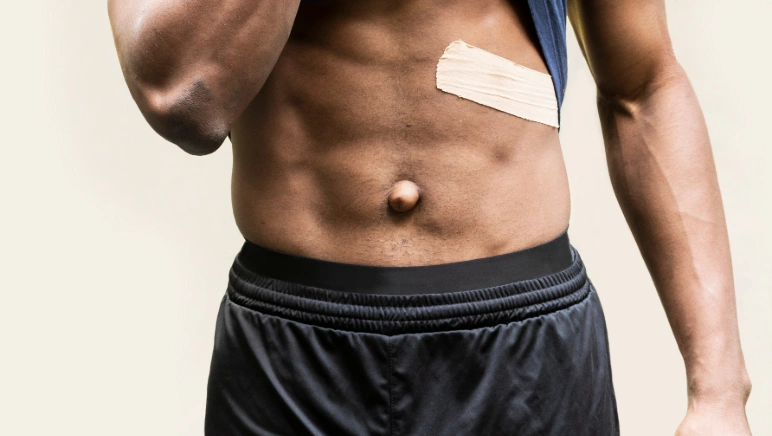
Bulge After Surgery? It May Be an Incisional Hernia
A bulge near a surgical scar can be a sign of an incisional hernia. This occurs when tissue pushes through a weakened area of the abdominal wall at the site of a previous surgery. While not all post-surgical swelling is a hernia, a persistent or growing bulge should be evaluated by a specialist.
What Is an Incisional Hernia?
An incisional hernia develops at the site of a previous surgical incision when the abdominal wall does not fully heal or becomes weakened over time.
This allows:
- Fat or intestine
- To push through the weakened area
- Creating a visible bulge
Why Do Incisional Hernias Happen?
Several factors can contribute to weakening of the surgical site:
- Poor wound healing
- Infection after surgery
- Increased abdominal pressure (coughing, lifting, straining)
- Obesity
- Smoking
- Multiple abdominal surgeries
Even with proper healing, hernias can develop months or years later.
Symptoms of an Incisional Hernia
Common signs include:
- A bulge near a surgical scar
- Discomfort or pain at the site
- Bulge that becomes more noticeable when standing or straining
- Pressure or pulling sensation
In some cases:
- The bulge may disappear when lying down
Is a Bulge After Surgery Always a Hernia?
Not always.
Other possibilities include:
- Post-surgical swelling
- Scar tissue
- Seroma (fluid collection)
However, if the bulge:
- Persists
- Increases in size
- Causes discomfort
It should be evaluated to rule out a hernia.
When to See a Doctor
Seek medical attention if you notice:
- A new or growing bulge near a surgical site
- Pain or discomfort with activity
- Changes in the size or shape of the bulge
Urgent symptoms (rare but serious):
- Severe pain
- Nausea or vomiting
- Bulge that cannot be pushed back in
Incisional Hernia Repair Options
Treatment depends on size, symptoms, and patient health.
Non-surgical management
- Observation (small, asymptomatic hernias)
- Activity modification
Surgical repair
Open hernia repair
- Traditional approach
- Reinforces abdominal wall
Minimally invasive repair
- Laparoscopic or robotic techniques
- Smaller incisions
- Faster recovery in many cases
Mesh reinforcement is often used to:
- Strengthen the repair
- Reduce recurrence risk
Recovery After Hernia Repair
Recovery varies based on:
- Type of surgery
- Size of hernia
- Overall health
Typical expectations:
- Gradual return to activity
- Temporary lifting restrictions
- Follow-up care with your surgeon
How to Reduce Your Risk
While not all hernias are preventable, you can reduce risk by:
- Following post-surgical instructions carefully
- Avoiding heavy lifting during recovery
- Managing chronic cough
- Maintaining a healthy weight
- Not smoking
A growing bulge after surgery should not be ignored. Early evaluation can prevent complications and guide the right treatment plan. Schedule a consultation with a Hernia Innovations specialist to discuss your procedure and recovery plan.
Frequently Asked Questions
What causes a bulge after surgery?
A bulge may be due to an incisional hernia, swelling, or fluid buildup. Persistent bulges should be evaluated.
How long after surgery can an incisional hernia occur?
It can develop weeks, months, or even years after surgery.
Do all incisional hernias need surgery?
Not always. Small, asymptomatic hernias may be monitored, but many require surgical repair over time.
Hernia Surgery & Treatment Resources
Learn about hernia symptoms, diagnosis, surgery, recovery, and when to seek medical care through educational resources from Hernia Innovations.